Our Programmes
SWEL's work is organised around the three elements that make up any surgical system — the workers who deliver care, the patients who receive it, and the systems that hold both together. Each is a standing programme of research, policy, and advocacy.
The three programmes are not separate silos. A financing reform shapes the conditions surgical workers face; a workforce gap changes what patients can access. SWEL studies each element distinctly, but always in service of understanding the surgical ecosystem as a whole.
Surgical Workforce
This programme explores and provides reforms that support the surgical workforce, advocate for excellent training and workplace environments and infrastructure that enhances surgical care delivery.

ResearchAbstractPerceived Drivers Of Gender Equity In Global Surgery Among Female Healthcare Students In Kenya
Journal of Global Surgery (ONE), International Conference on Innovation in Global Surgery, 2025 — Jill Mayunga, Fridah Bosire
Perceived Drivers Of Gender Equity In Global Surgery Among Female Healthcare Students In Kenya
Journal of Global Surgery (ONE), International Conference on Innovation in Global Surgery, 2025 — Jill Mayunga, Fridah Bosire
Background Despite advancements in surgical education, Kenya only has 2.35 surgeons per 100,000 people. According to COSECSA, the number of female residents has risen steadily from 1 woman in 2014 to 38 in 2023 and 33 in 2024. This trend represents growing interest in surgery but many women are still held back by systemic challenges. Given the shortage of surgeons in Kenya, this study set out to determine the factors that promote surgical specialisation among female students.
Methods A cross sectional study was conducted and the study population included 86 female medical trainees and consultant surgeons. Data was collected using Google forms which was distributed to attendees of a 'Women in surgery' event using voluntary sampling. Informed consent was obtained. Thematic analysis was conducted on open ended questions and proportions of different responses were determined using SPSS Version 28. Through the study we set out to identify enabling factors that could promote gender equity in global surgery practice.
Results When 86 respondents were asked about what initiatives they thought were essential in promoting gender equity in global surgery, the majority, 51.2%, felt mentorship programs were the most essential. 23.3% felt increased leadership representation would make surgical education more equitable while 18.6% said policy reforms were the most important. Advocacy campaigns were important among 7% of respondents. Mentorship programs were linked to better skill acquisition and confidence-building, while female leaders were said to enhance access to opportunities and foster mentorship. Advocacy campaigns were thought to increase awareness and dismantle misconceptions while policy changes improved work conditions.
Conclusion Despite growing interest in surgery among female medical trainees, barriers persist and discourage many. Mentorship programs, equitable leadership, policy reforms and advocacy campaigns have been found to play a role in promoting equity in surgery. To ensure sustainable progress, a multifaceted approach is essential.
doi: 10.52648/ICIGS.1003_91
ResearchAbstractPerceived Access to Policy Support Among Women in Surgical Training and Practice in Kenya
Surgical Society of Kenya, 2026 — Jill Mayunga, Fridah Bosire
Perceived Access to Policy Support Among Women in Surgical Training and Practice in Kenya
Surgical Society of Kenya, 2026 — Jill Mayunga, Fridah Bosire
This abstract was presented on behalf of the Kenya Association of Women Surgeons (KAWS)
Background According to COSECSA, the percentage of female surgical trainees has increased by 24% between 2020 and 2022 and previous work identified policy reform as essential in supporting women's progression and retention in the specialty. However, less is known about the extent of actual access to supportive policies at all stages of training and practice among women. Understanding this gap is essential in preventing attrition, increasing workforce numbers and ensuring better access to care.
Objectives To determine the perceived extent of policy support for women in surgery, uncover implementation gaps and determine the perceived benefits of reforms.
Methods A cross-sectional mixed methods study was conducted and the study population included 86 residents, female consultants and female medical students. Data was collected using Google forms which was distributed to attendees of a 'Women in surgery' event using voluntary sampling. Informed consent was obtained. Thematic analysis was conducted on open ended questions and proportions of different responses were determined using SPSS Version 28.
Results Despite the established importance of equitable policy frameworks, most respondents (80%) felt that current Kenyan policies do not adequately support female surgeons. Respondents felt that policy reforms would provide legal protection, promote work-life balance during the maternity and postnatal period, ensure accountability among program leaders and improve working conditions which was linked to improved surgical outcomes. Further thematic analysis revealed a need for better policies on parental leave and reproductive health protection, anti-discriminatory work environments, flexible training and remuneration.
Conclusion While policy reforms are known to promote equity in the surgical workforce, significant gaps remain in their development and implementation. Women hold great potential to transform surgical systems due to their numbers in the medical field and expertise, and harnessing this potential requires deliberate policy reforms in areas such as leadership, maternity and postnatal support and remuneration.
Patient Access & Equity Programme
Promoting safe, timely, affordable and patient-centred surgical care by addressing barriers to access, amplifying patient perspectives and advancing equity in surgical outcomes.
Still a work in progress
Get in touchSurgical Systems Programme
This programme studies how surgical care is financed, governed and built into national health systems. It houses SWEL's flagship work on surgical financing, its analysis of national surgical planning, and its contributions to the data and governance infrastructure through which surgical systems are measured and improved. This is where the Lab's central thesis lives: that strong, self-sustaining systems are the foundation everything else depends on.
Convenings and Dialogue
SWEL convenes trainees, surgeons, policymakers and advocates to shape the future of surgical training and systems across Africa.
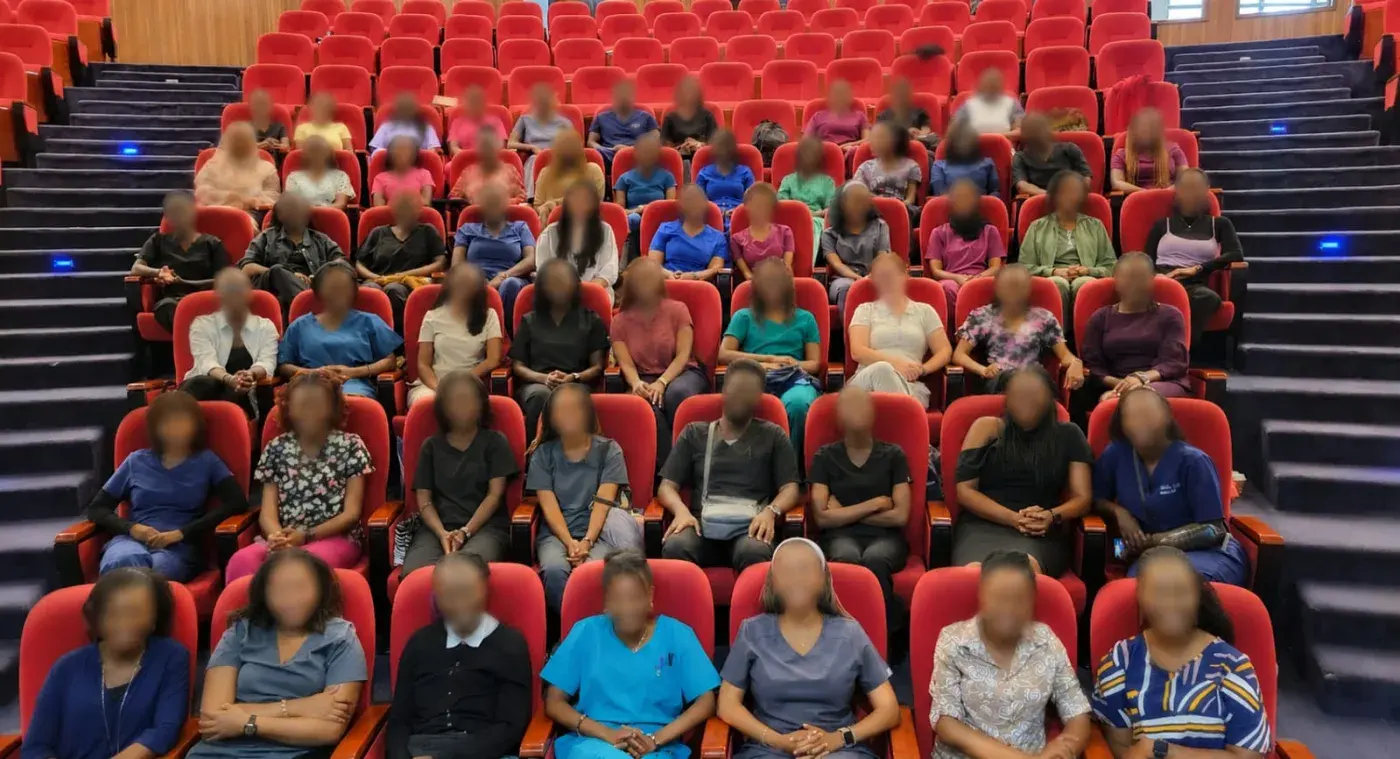
Celebrating Women Surgeons: Past, Present and Future
8 March 2025 | Nairobi, Kenya
READ MORE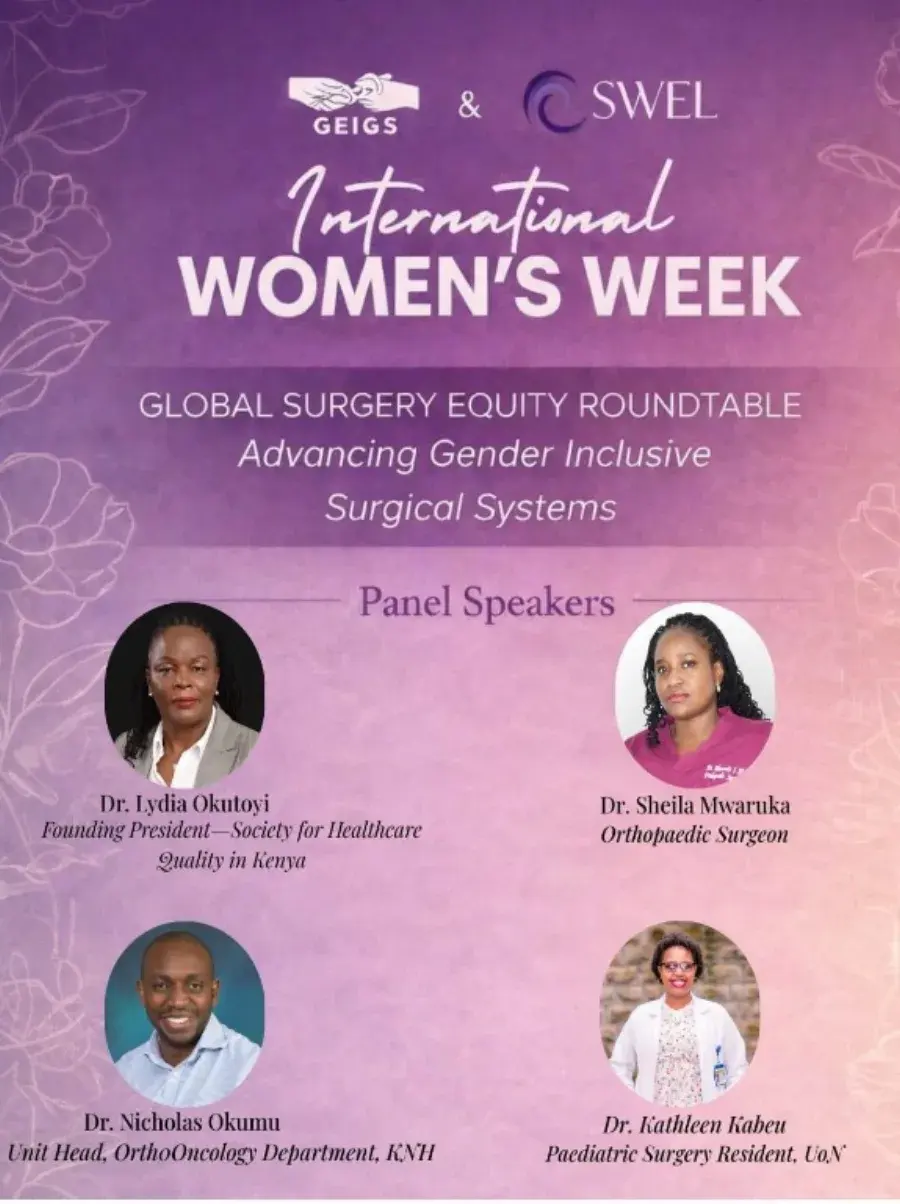
Advancing Gender Inclusive Surgical Systems
March 2026 | Nairobi, Kenya
READ MORE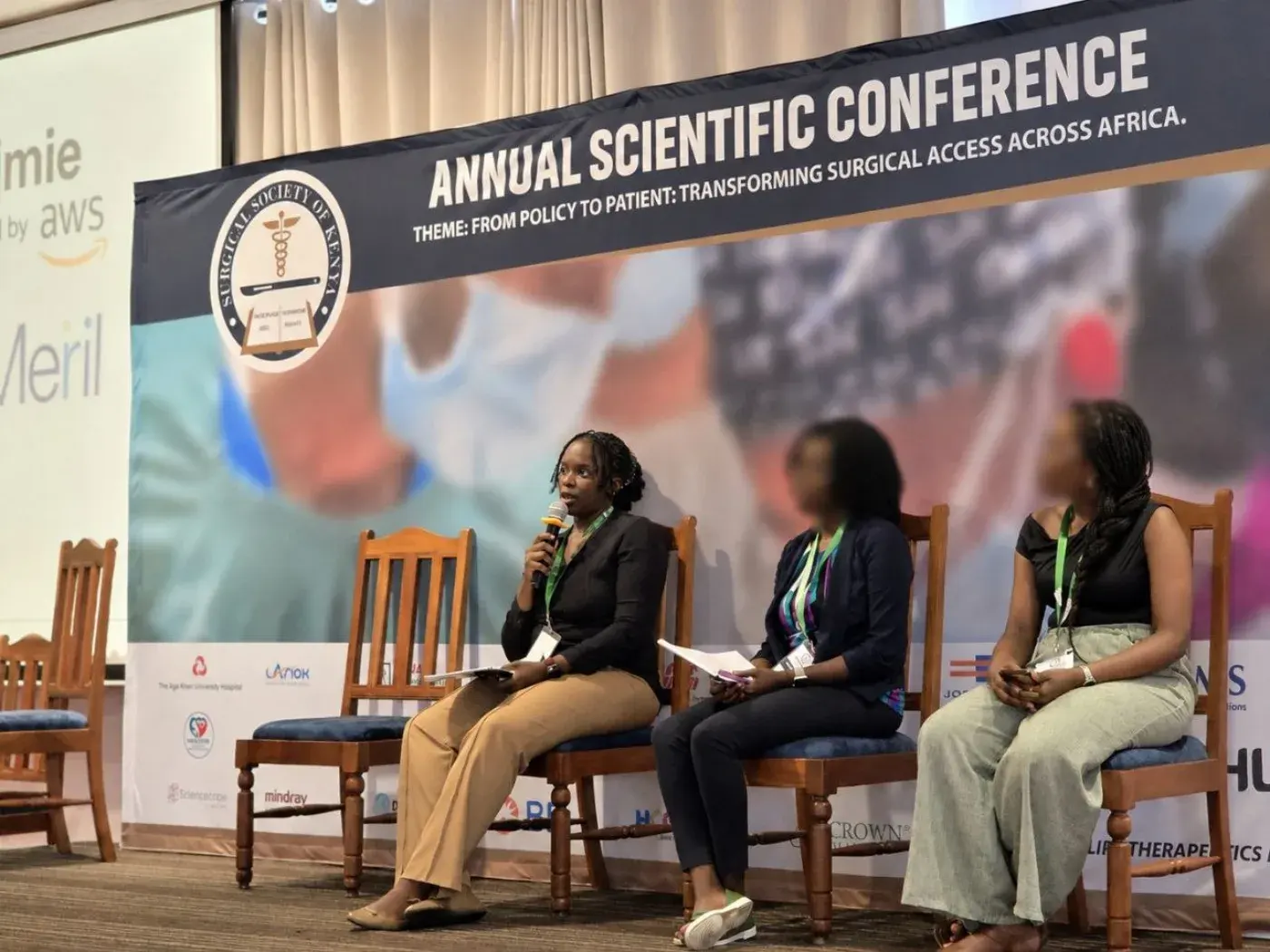
Global Surgery: Translating International Protocols/Guidelines to Practical Local Solutions
April 2026 | Surgical Society of Kenya Annual Scientific Conference
READ MORE